

How artificial intelligence, autonomous agents, and automation are reshaping the future of work and strategic decision-making in banking
On Friday, February 13, at Palacio Paz in Buenos Aires, Julián Colombo, CEO of N5, shared a breakfast with a group of journalists and leaders from the economic and technology ecosystem.
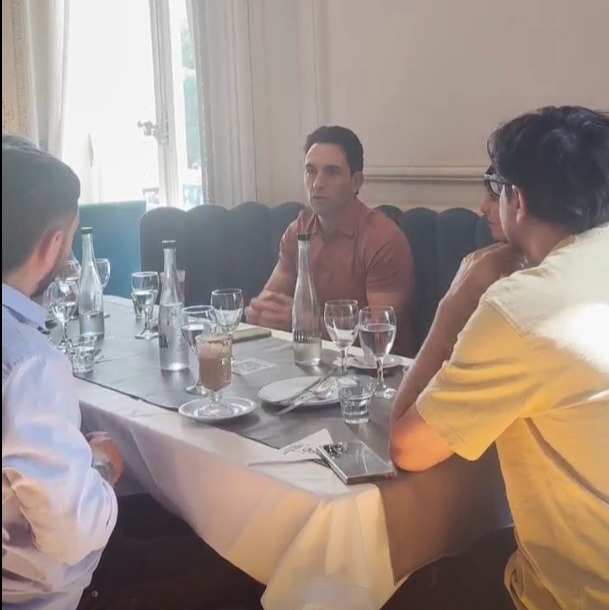
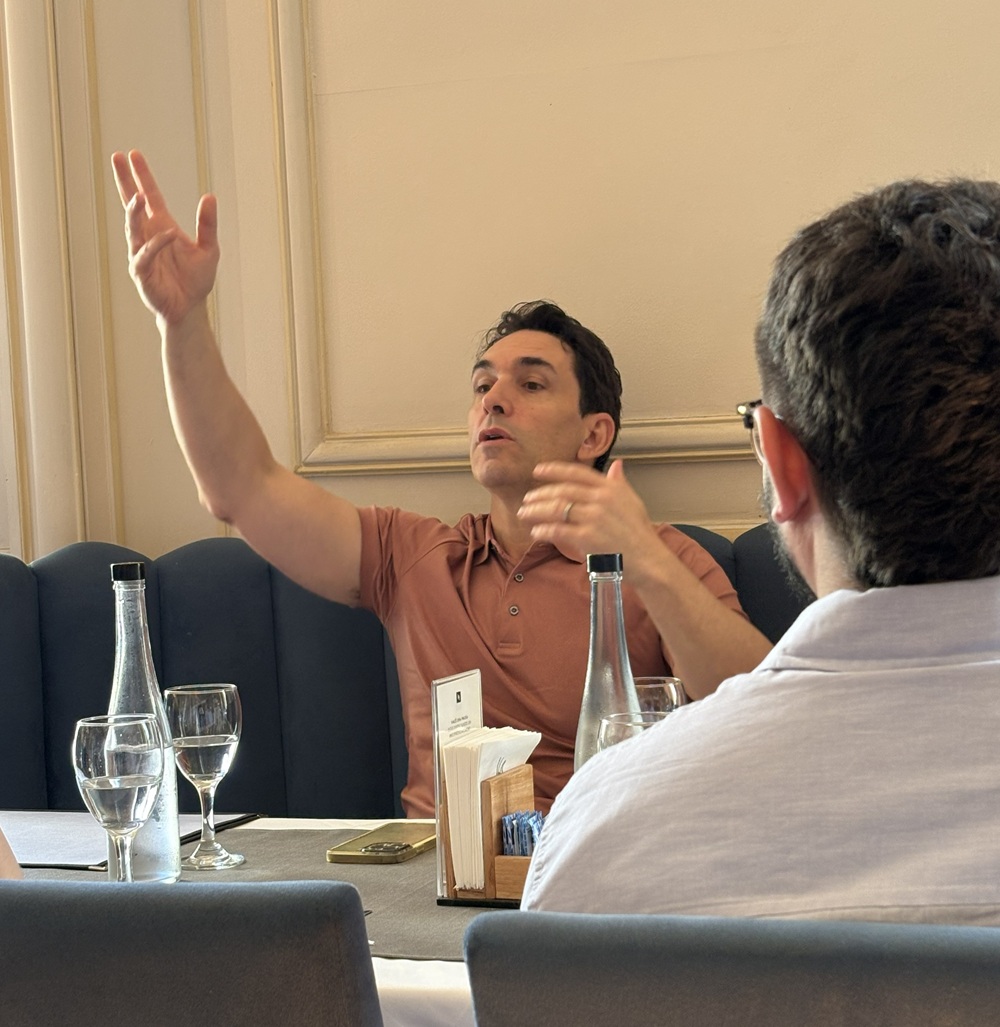
The tone was informal — an open conversation without rigid presentations. The exchange brought together personal and professional experiences, perspectives from different cities and backgrounds: Buenos Aires, Medellín… It was a dialogue aligned with N5’s global nature: a company present in more than 15 countries, accustomed to thinking at a regional and international scale.
Insightful contributions enriched the discussion: Santiago Escobar drew parallels with his native Colombia and the evolution of Latin American markets; Pablo Whanon, from his background in mathematics and AI, explored the scope and limitations of algorithmic models; Leandro Salén raised questions related to the economic context and the long-term sustainability of technological transformation.
The conversation gradually turned toward the advancement of artificial intelligence — not only its concrete impact on financial processes. The defining moment came when someone noted that AI agents already exist that use humans as assistants to complete physical actions within intangible processes.
Beyond the provocative notion that AI might hire humans — rather than the other way around — this reversal of the traditional human-AI assistant model raises deeper questions. The paradigm shift seems to signal the imminent arrival of a singularity both feared and anticipated.
The dialogue extended further into uncertainty about the future of work for younger generations in an increasingly automated environment.
When asked about what N5 produces, the CEO — drawing from decades of experience in banking — offered a clear explanation of how the banking business works and its core pillars: profitability, risk, sustainability, and growth potential. He then demonstrated how artificial intelligence can support, optimize, and influence strategic decision-making.
The meeting left the impression of a frank, inspiring, and intellectually rich dialogue — marked by valuable exchanges and genuine concern about the future. A gathering guided by forward-looking vision, yet imbued with the timeless spirit of a classical Banquet.


